
True design is an echo of its environment. It’s a conversation between the history of a place and the architecture that frames our daily lives. We believe the most beautiful homes tell a story — one rooted in heritage and reimagined for the contemporary world.
Join us on Coast-to-Coast Styles, a new design series that traverses the country to uncover the distinctive architectural languages that define America’s most beloved regions. Our first stop takes us to sunny San Diego, where the influence of Spanish Colonial design continues to shape the art of living well.
Pacific Coast Palette
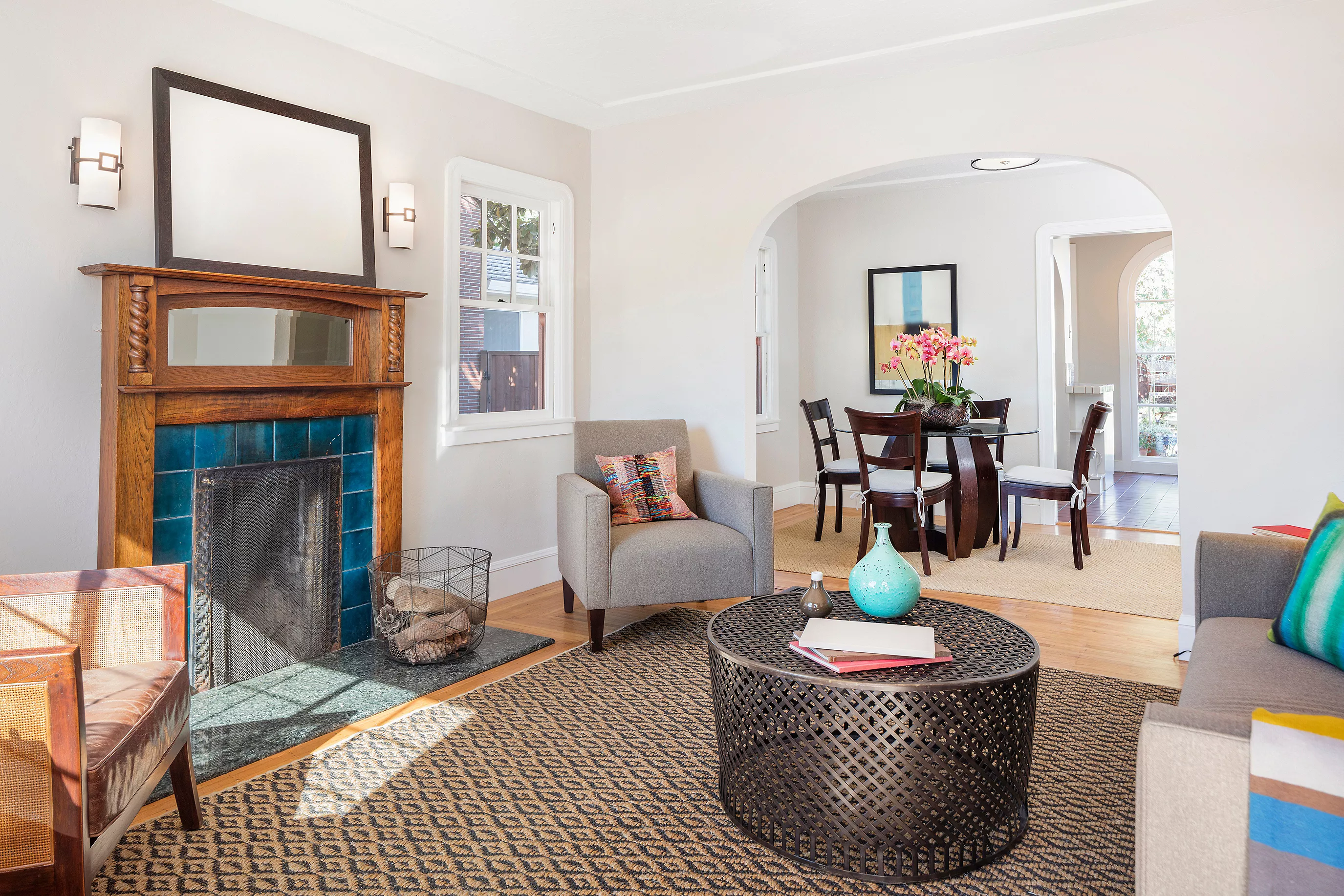
Spanish-style homes originated in warm climates, which is why their color palettes are so functional and refined. To achieve an authentic Spanish Revival look indoors, start with a foundation of light-reflecting neutrals that keep a modern house interior feeling airy and cool.
- The Base: Use creamy whites, soft beiges, or muted tans for stucco walls to create a crisp canvas.
- The Accents: Incorporate earthy terracotta, burnt orange, and deep reddish hues. These colors draw from the natural clay of the landscape and add an instant sense of warmth.
- The Contrast: Introduce "cooling" tones, like Mediterranean blue or forest green, through hand-painted tiles, textiles, or a distinctive front door to provide a stunning visual break.

Defining the Spanish Colonial House
What makes a Spanish Colonial house so recognizable? It’s the focus on texture and flow. Think of thick, white-washed walls, intricate ironwork, and those iconic arched doorways that lead to hidden courtyards. In a Spanish-style house, the transition between indoor and outdoor living feels effortless.
Inside, Spanish-style homes often feature exposed ceiling beams and decorative tilework on backsplashes. The goal is to create a space that feels like an elevated retreat — where the details are intricate, but the overall vibe is lived-in.
The Foundation: Choosing the Right Floor
For a Spanish Revival house project, your flooring is the anchor of the entire aesthetic. You want a surface that feels enduring and bespoke, providing a rich contrast to light-colored walls.
The Warmth of Real Wood
Hardwood is a classic choice that adds immediate value and character. For a look that feels both historic and fashionable, we recommend Chateau Loraine in Almond Creme Oak. The high-quality oak features a textured grain that mimics the handcrafted feel of heirloom timbers. Its warm, inviting tone perfectly complements terracotta accents and dark wood furniture.
The Versatility of High-End Vinyl
If your lifestyle requires a more functional, long-lasting solution for high-traffic areas or mudrooms, luxury vinyl is a smart and stylish alternative. Windham Shores in Asher offers a refined wood-look with a polished finish. Its palette of sandy neutrals and subtle grays provides a modern twist on the traditional Spanish Colonial look, making it a versatile choice for a busy modern house interior.


The Spanish Colonial aesthetic is grounded and balanced. It’s eclectic and thoughtful, pairing the heavy, dark wood of a vintage sideboard with the airy, light-filled volume of a high-ceilinged room.
By choosing floors with an enduring quality and deep visual interest, you create a space that feels curated rather than decorated. It’s about more than just a trend. It’s about creating a home that feels like a sanctuary — one that reflects the soul of the coast.
Ready to begin your own design journey?
Our travels have only just begun. Follow along with the Coast-to-Coast series as we uncover more architectural traditions and the Karastan floors that bring each story to life. For more inspiration to create a space that is authentically yours, explore our recent post on 2026 Interior Design Trends.


